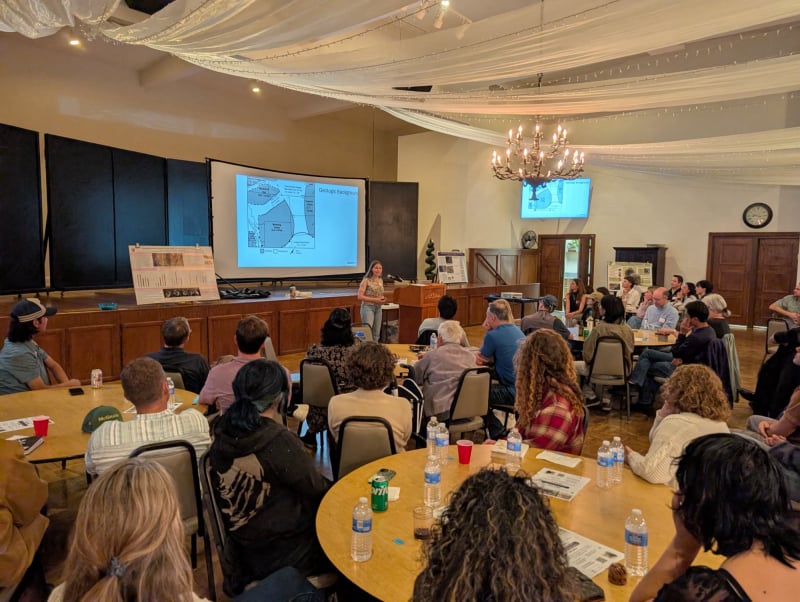
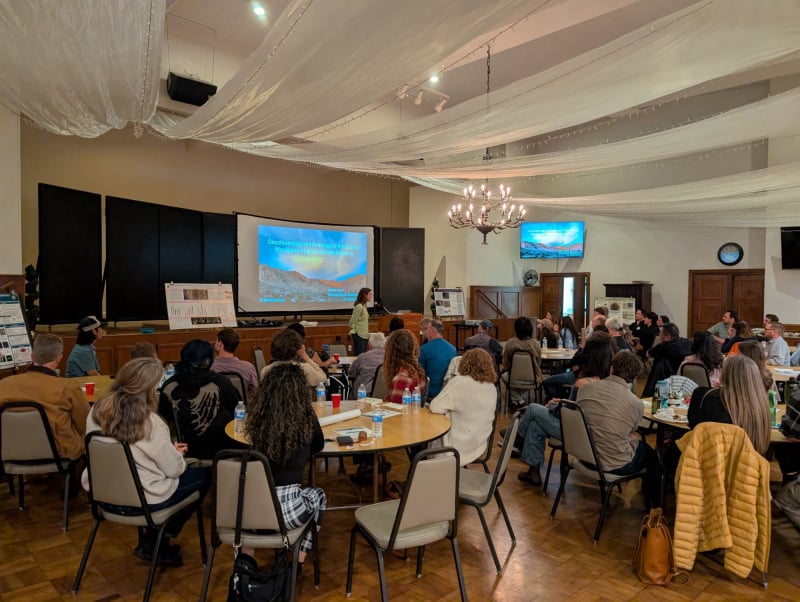
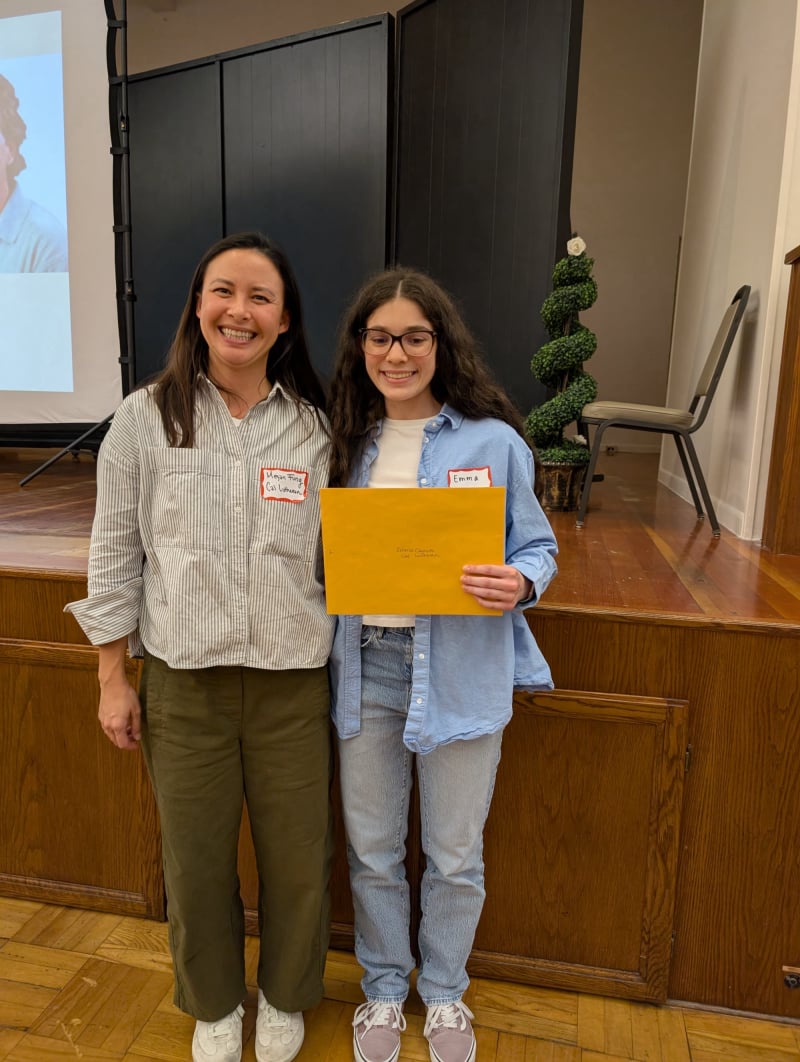
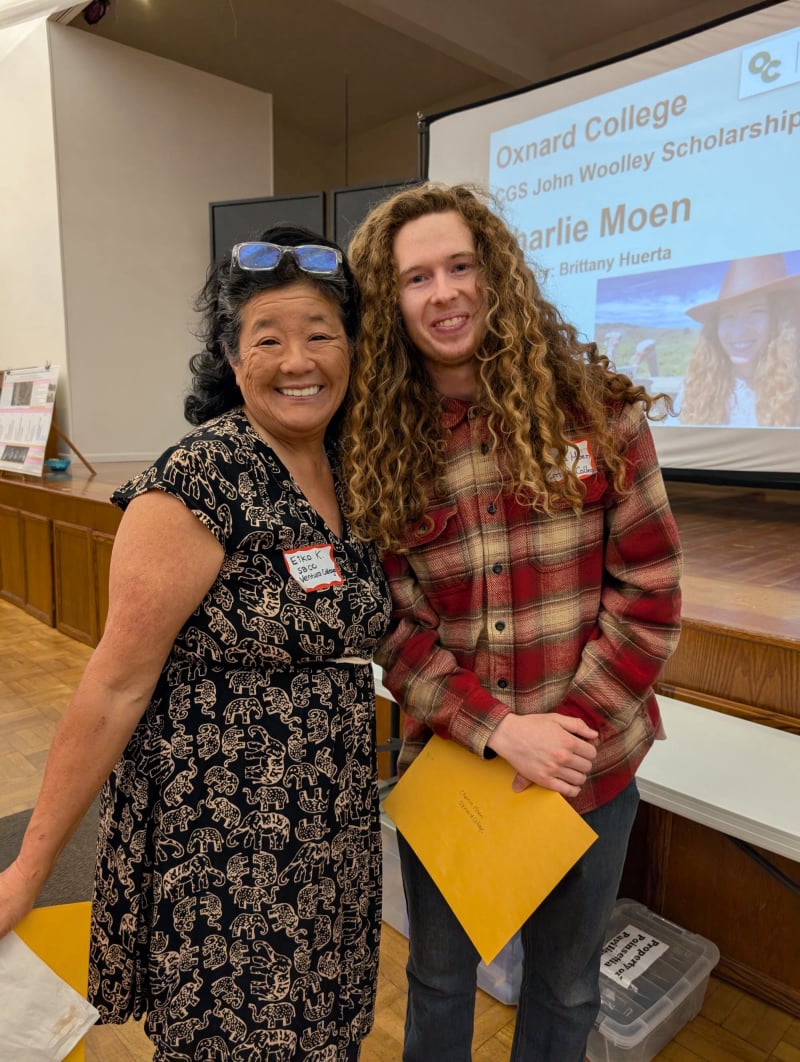
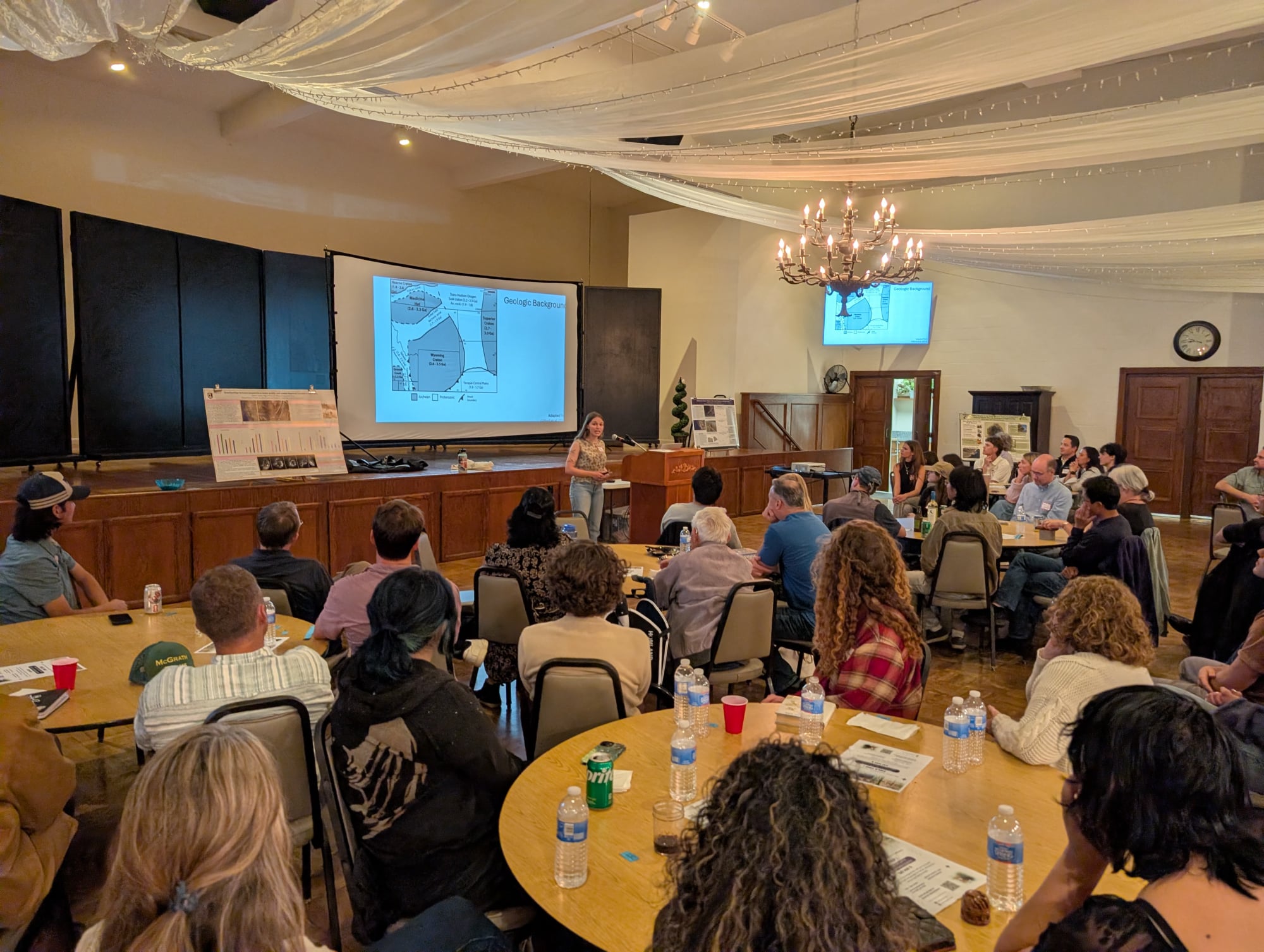
April 21st 2026




UCSB
Title: Deciphering the Metamorphic History of Mantle Xenoliths
Abstract: Fragments of Earth’s upper mantle brought to the surface by Eocene alkalic magmas in the
Highwood Mountains of Montana, USA, record overprinting by transiting magmas at ~1.8 Ga.
Two glimmerite veins that crosscut a harzburgite fragment are made up of mica and datable
minerals including rutile, monazite, apatite, and zircon. The zircons reveal a complicated
crystallization history, with core-mantle-rim regions imaged by cathodoluminescence, which
have U-Pb dates from 1.7 (rims) to 1.9 Ga (cores). These multiple zircon-crystallization events
have distinct trace element contents. Positive Ce anomalies, negative Eu anomalies, rare earth
element patterns, and Hf-isotope data suggest an ancient continental crustal origin of the melt
that deposited the veins. These events coincide with the collision between two ancient crustal
blocks that formed the Great Falls Tectonic Zone and suggest the melt was derived from
subducted continental crust.
Bio: Madeline Mohler is a fourth-year undergraduate in Earth Science with an emphasis in
geology at UCSB. Her research interest include the development of plate tectonics, orogenic
events, and solid Earth geochemistry as a whole. She is currently doing a senior thesis with
Professor Roberta Rudnick investigating metamorphosed mantle xenoliths. She will be attending graduate school in the fall to pursue a PhD in geochemistry. When she is not studying rocks, she loves camping, hiking, cross stitching, and watching documentaries.
UCSB
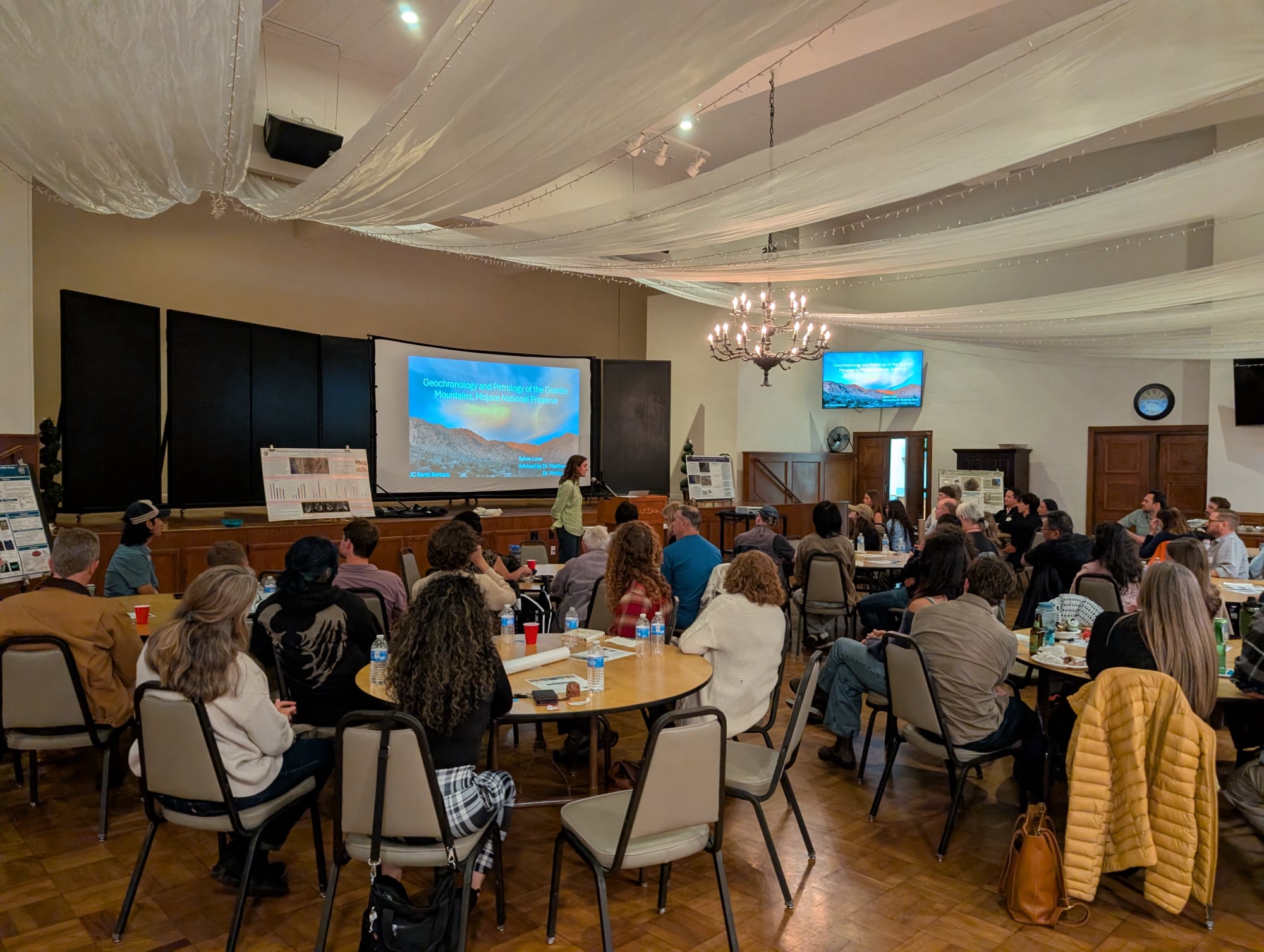
Title: Geochronology and Petrology of the Granite Mountains, Mojave National Preserve
Abstract: Continental crust is thought to form from mantle melting, but there is a discrepancy between mafic mantle melts and the intermediate average composition of the continental crust. The large volume of felsic plutonic rocks in continental arcs can record the generation of felsic crust from mafic mantle melts, but may also reflect recycling of older continental crust. Studying the degree of juvenile versus recycled magmatism in arcs can provide insight into the magmatic processes responsible for the formation of continental crust. The Granite Mountains, Mojave National Preserve are composed of felsic plutonic rocks and formed as part of the larger Mesozoic Sierra Nevada magmatic arc. The exposed plutonic section is ideal for studying processes of crustal growth.
In this study, fourteen samples were collected from the Granite Mountains. Zircon grains from each sample were analyzed for U-Pb, trace element, and Hf isotopic compositions by LA ICP-MS. Analyses indicate that the Granite Mountains are composed of Jurassic and Cretaceous units, with ages of 162 to 149 Ma and 79 to 74 Ma, respectively. Cretaceous units contain inherited grains that have Jurassic and Proterozoic ages. Trace element and Hf isotopic data provide greater insight into the formation of the Granite Mountains.
Bio: Sylvie Love is an undergraduate Earth Science, Geology student at the University of California, Santa Barbara planning to graduate in spring 2026. She is conducting a senior thesis with Dr. Matthew Rioux studying felsic plutonic rocks in the Granite Mountains, Mojave National Preserve. Sylvie is particularly interested in magmatic systems and plans to pursue a graduate degree in igneous petrology. Outside of academics, she enjoys camping and playing music.
UCSB
Title: Spatiotemporal history of Quaternary permanent vertical forearc deformation in the Cape Blanco region of Oregon, USA
Abstract: Subduction zones are globally recognized as regions that can experience significant vertical
displacement along coastlines, but differentiating the uplift processes that control the
spatiotemporal accumulation of permanent vertical deformation within the forearc crust remains
difficult. This study focuses on the forearc inboard of the Blanco Fracture Zone, the region
surrounding Cape Blanco, in southern Oregon, USA. Here, a sequence of five Late Quaternary
marine terraces (Cape Blanco, Pioneer, Silver Butte, Indian Creek, and Poverty Ridge) record
permanent vertical forearc deformation above the Cascadia Subduction Zone. We propose to
investigate the relative importance and timescale of the various tectonic processes that produce
permanent uplift along the Cascadia margin. We will combine newly available high-resolution
lidar data (DOGAMI, 2024) alongside field collected marine sediment deposits to obtain the first
geochronological constraints of the terrace sequence through optically stimulated luminescence
(OSL) and infrared stimulated luminescence (IRSL), enabling the quantification of the
spatiotemporal offshore processes and crustal deformation in the net uplift field of the Cape
Blanco region. We hypothesize that vertical displacement of the region is a composite of
long-wavelength uplift (>100s km length scale) driven by regional processes, alongside local,
short-wavelength uplift (<100s km length scale). Preliminary lidar analysis confirms a five-step
terrace sequence, associated paleo-platform elevations, and anticlinal deformation. Initial OSL
and IRSL dating suggest the Cape Blanco, Silver Butte, and Indian Creek terraces formed during
MIS 3 (~60 ka), MIS 5a (~80 ka), and MIS 5e (~125 ka), respectively.
Bio: Brenna Lonsdale is a first year MS Student under Kristin Morell at the University of California,
Santa Barbara. The year before, she graduated with a degree in geology from the same university
where she worked as a field research assistant to Dr. Morell. Her research utilizes LiDAR and
surface classification modeling to analyze marine terrace deformation within the Cape Blanco
region of Oregon, USA. Future work of this project involves field investigation and
luminescence dating. She has a dog named Egg.
California Lutheran University
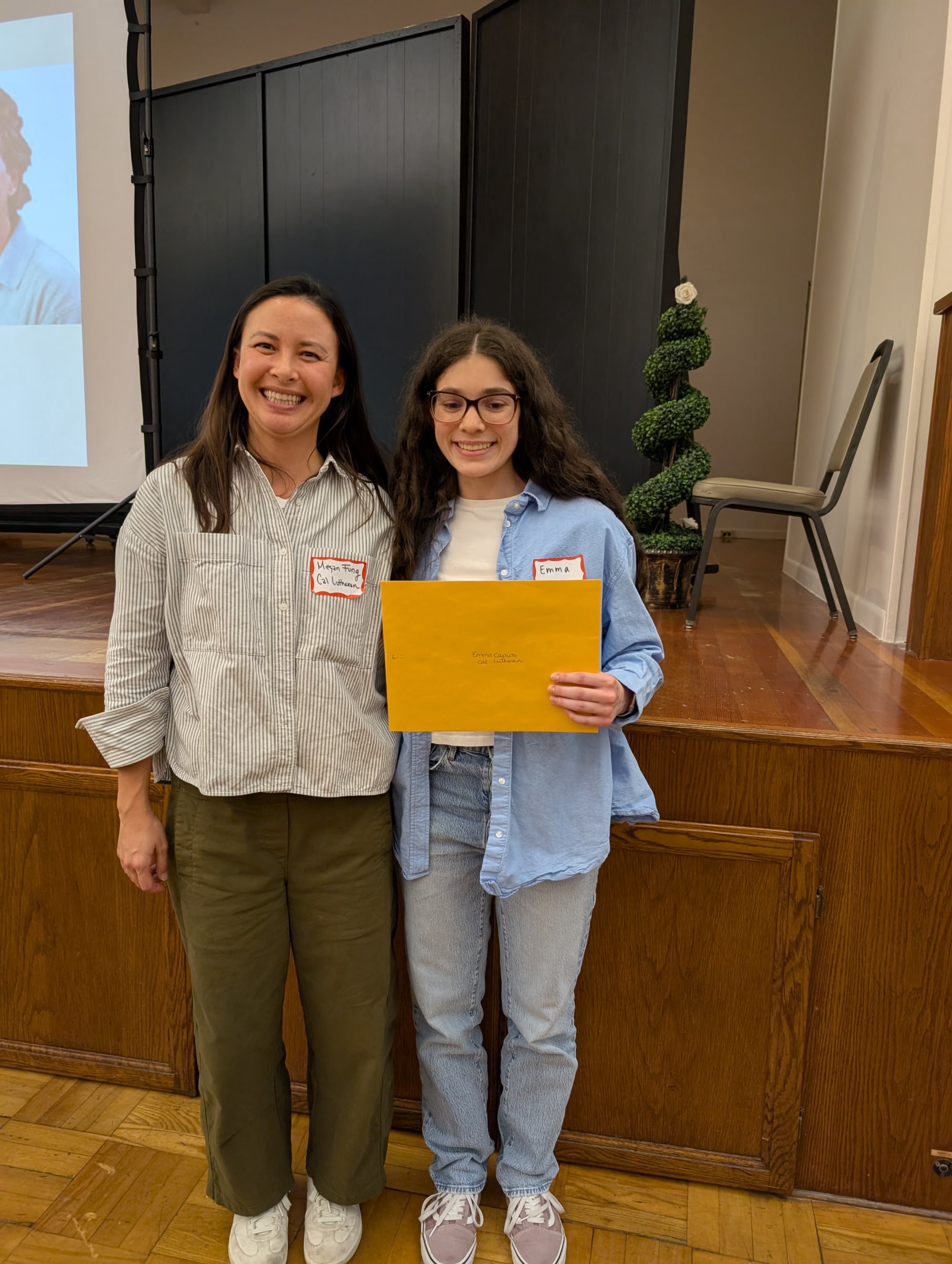
Title: Relationships between foraminifera, water quality, and human impact in Carpinteria Salt Marsh
Abstract: Our research examines several taxa of benthic foraminifera (e.g., Trochammina inflata, Siphotrochammina lobata, Entzia macrescens, Miliammina fusca) from six surface samples retrieved in March 2025 from Carpinteria Salt Marsh in Carpinteria, California. At each sampling location we collected water quality parameters (i.e., temperature, dissolved oxygen, specific conductivity, salinity, pH, and turbidity) and noted the proximity to sources of human impact, namely the train tracks that run behind the marsh. Foraminiferal numbers (foraminifera/g) have a positive relationship with dissolved oxygen levels and a negative correlation to salinity levels.There is also a negative relationship between grain size and foraminifera/g. Preliminary results show that there are seven different taxa in the marsh channel, with high numbers of Trochammina inflata and Siphotrochammina lobata. Both of these species thrive in low salinity levels (Walker et al., 2020). By studying the composition of benthic foraminiferal assemblages, analyzing water quality at the sampling sites, and evaluating the sources of human impact, we are able to gain a better understanding of how human impact and changes in water quality affect foraminifera in Carpinteria Salt Marsh.
Bio: Emma is a senior undergraduate student, from Newbury Park, California, at California Lutheran University studying environmental science and political science. After she graduates in May, she will be attending either the University of Oregon for a PhD in political science or UCLA for a master’s of public policy (decision pending…). In her free time, she likes to hike and hang out with Sage.
Sage is a Junior undergraduate student from Ventura, California, attending California Lutheran University studying Environmental Science and Physics. After her graduation in May 2027 she will continue her higher education obtaining a masters in Civil Engineering with an emphasis in Environmental Science. Outside of school Sage likes to spend time at the beach, work in the garden, and hang out with Emma.
California Lutheran University
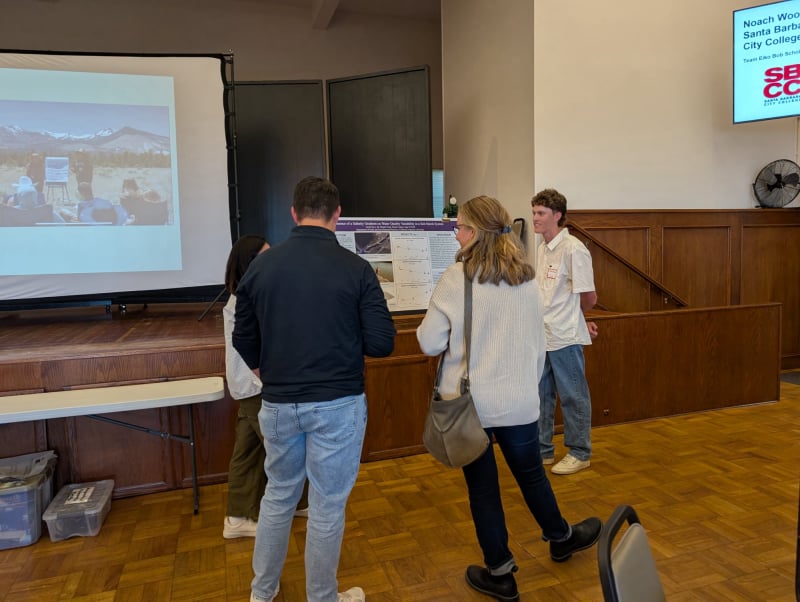
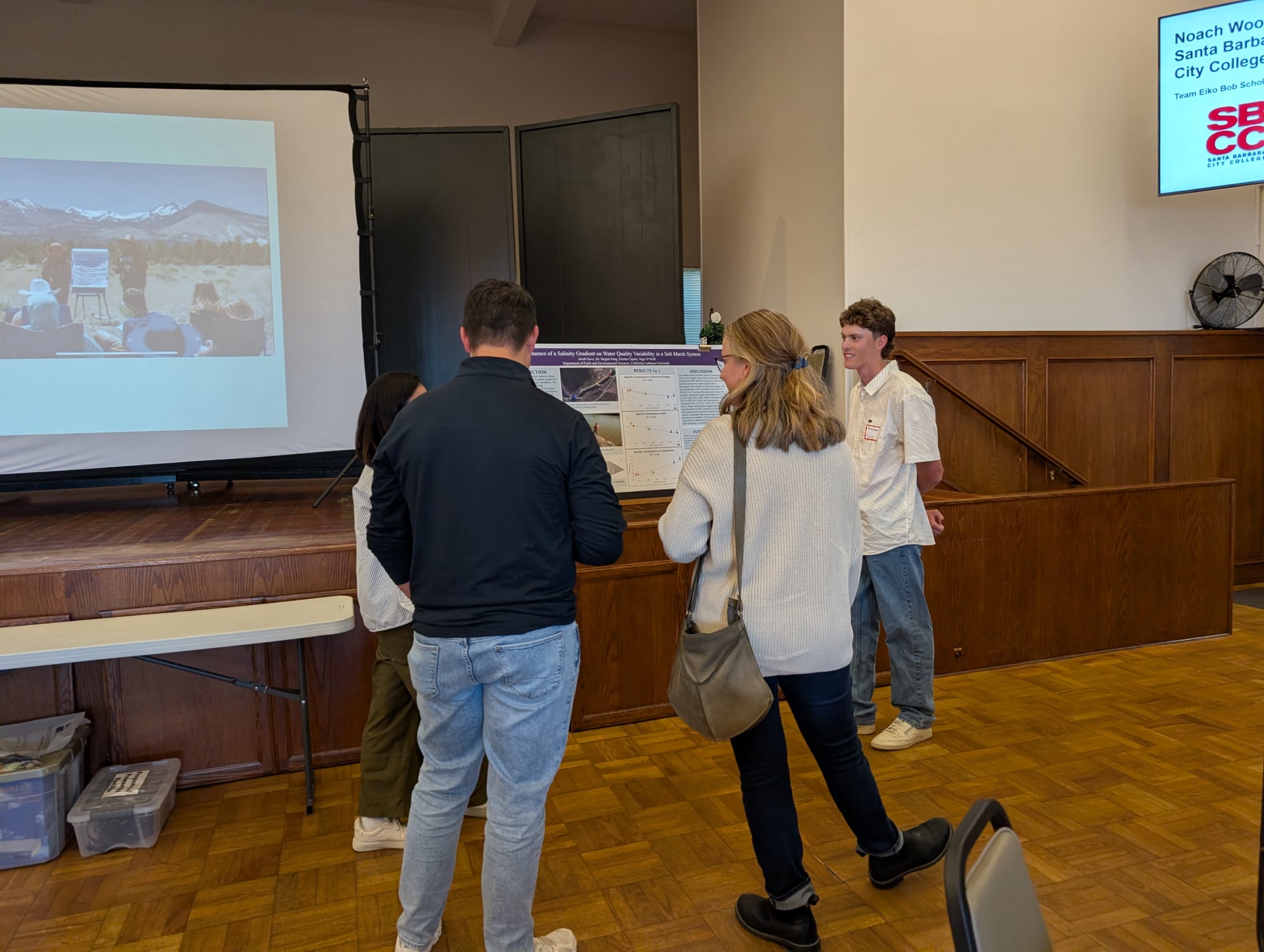
Title: Influence of a Salinity Gradient on Water Quality Variability in a Marsh System
Abstract: Salt marsh systems exhibit strong spatial variability in water chemistry, where salinity gradients play a key role in structuring environmental conditions. Water quality parameters, including temperature, pH, oxidation-reduction potential, turbidity, dissolved oxygen, and specific conductance as a proxy for salinity, were measured across five marsh sampling sites using a YSI ProDSS water meter.
Specific conductance (SPC) increased from 3,273 to 29,684 (~9.1×), defining a salinity gradient. Dissolved oxygen (DO) decreased from 12.19 to 9.44 mg/L, while DO percent saturation ranged from 99.6% to 114.5%, with five of six sites supersaturated. Temperature increased from 11.8°C to 13.8°C, and pH decreased from 8.72 to 8.02. Turbidity ranged from 9.41 to 42.36 NTU, and oxidation-reduction potential (ORP) increased from 268.2 to 306.2 mV
These results indicate that salinity appears to exert a primary control on water quality variability, with increasing SPC associated with lower DO and pH. These baseline gradients provide a framework for future investigation of marine microorganism (e.g., foraminifera) size variability across salinity gradients
Bio: Jacob Gove is an undergraduate geoscience student at California Lutheran University. His academic interests revolve around Earth system processes, combining field geology, GIS, and remote sensing to interpret landscape evolution and environmental change. Jacob has been conducting research at the Carpinteria Salt Marsh, where he is analyzing foraminifera assemblages in relation to water quality parameters. His work involves field sampling, microscope identification and measurements, and sediment processing with the goal of linking environmental variability to species distribution and size. In addition to his research experience, Jacob has developed skills in data analysis, GIS, and coding. He will be interning at NASA Langley Research Center for the summer of 2026, where he will contribute to air quality research using satellite and ground based datasets. His long term goal is to pursue graduate studies in geoscience.
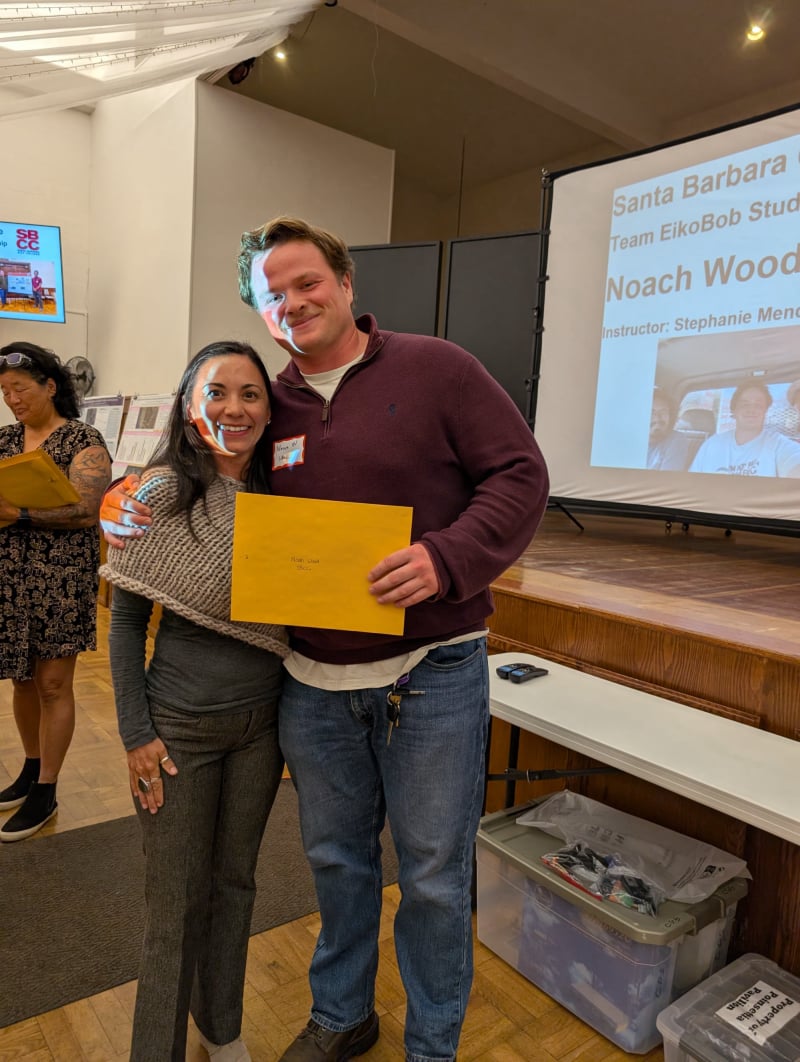
SBCC
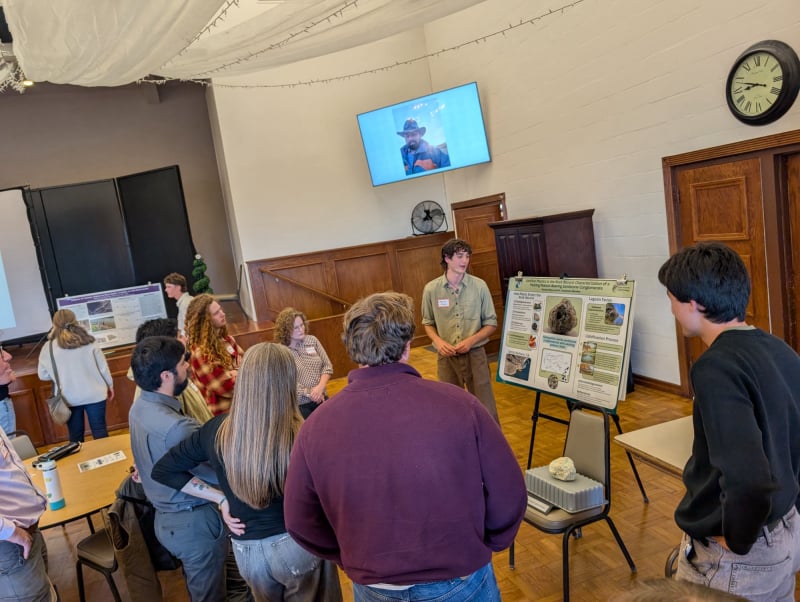
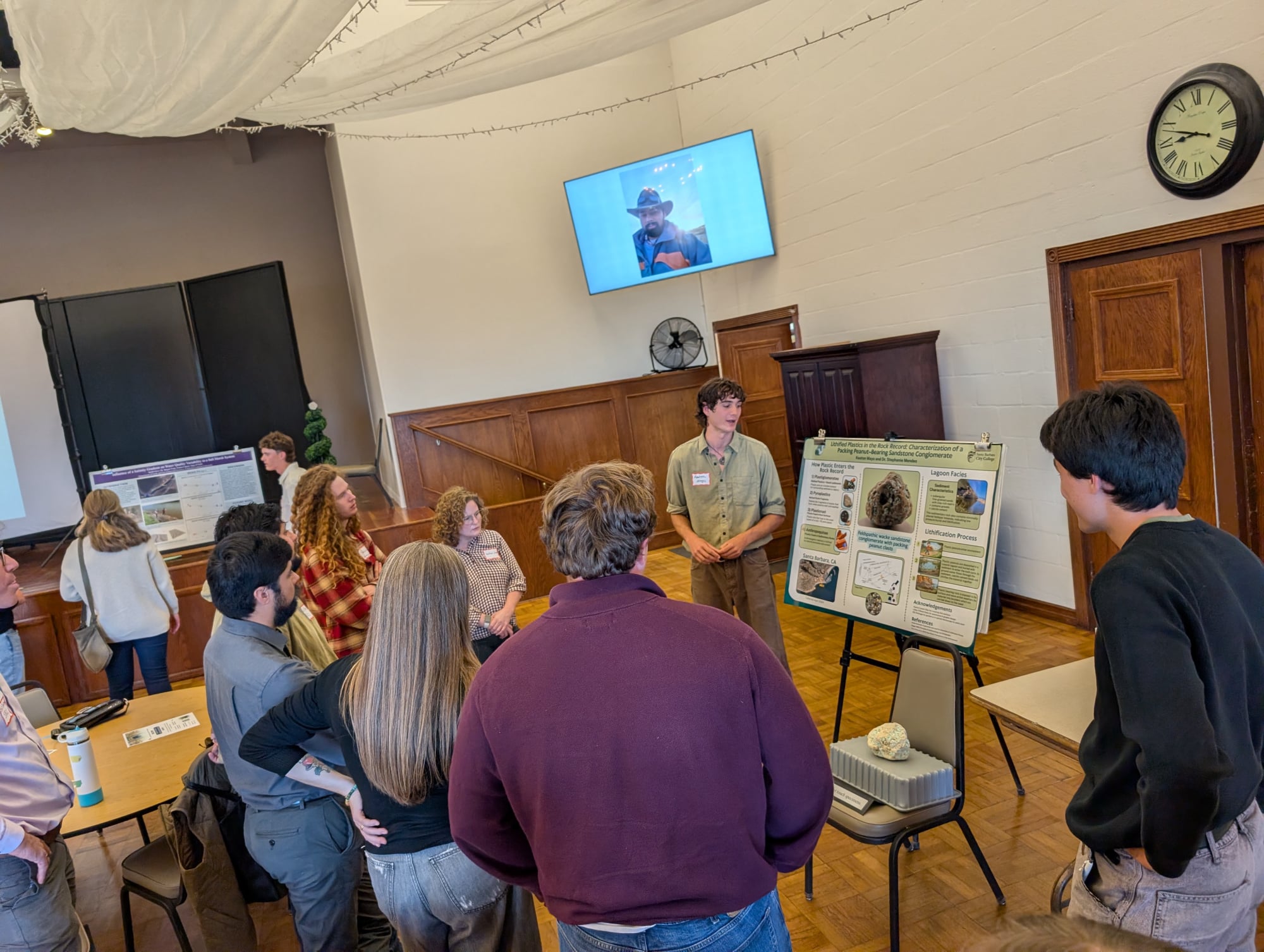
Title: Lithified Plastics in the Rock Record: Characterization of a Packing Peanut–Bearing Conglomeratic Sandstone
Abstract: This study examines a unique conglomerate, informally referred to as “packing peanut rock,” due to the inclusions of man-made packing peanuts in a clastic sedimentary rock. Recent research has shown that synthetic materials such as plastics can become incorporated into geological formations, forming a new category of anthropogenic rocks.
Scientists have identified four primary types of plastic-bearing rocks: plasticonglomerates, pyroplastics, plasticrusts, and anthropoquinas. The rock described in this work would fall in the new anthropoquina category and is the first of its kind to be discovered and described. To properly introduce this rock into the sedimentary rock cycle, the sample was analyzed to determine appropriate nomenclature and to quantify the relative abundance of mineral grains vs plastic clasts.
Results indicate that this formation is best described as a poorly sorted Wacky sandstone containing abundant gravel-sized packing peanut clasts. These findings highlight the growing presence of anthropogenic materials in the rock record and the need for clearer classification systems. Furthermore, such formations contribute to ongoing discussions surrounding the Anthropocene, as human impacts are now being preserved in lithified geologic materials.
Bio: Keaton Mayo is a third-year student at Cabrillo College in Santa Cruz, California, hoping to pursue a Bachelor of Science in geology with a minor in environmental science. He plans to transfer to UC Santa Cruz to complete his undergraduate degree. Before attending Cabrillo, Keaton studied at Santa Barbara Community College for two years, where he discovered his passion for Earth processes, fieldwork, and well…Rocks!
His enthusiasm for the field has led him to take on active roles in the academic community, including serving as an officer for the Geology Club and tutoring field courses. He is currently involved in a research project with former professor Stephanie Mendes, further developing his understanding of geologic systems and processes and how they are intertwined with anthropogenic activity.
After completing his undergraduate studies, Keaton intends to apply to graduate programs to deepen his knowledge. He is driven not only by a desire to understand geological challenges but also to contribute meaningful solutions. Through his work, he hopes to make a lasting impact and inspire others while advancing research that brings new perspectives and innovative solutions to environmental and geological issues.
UCSB
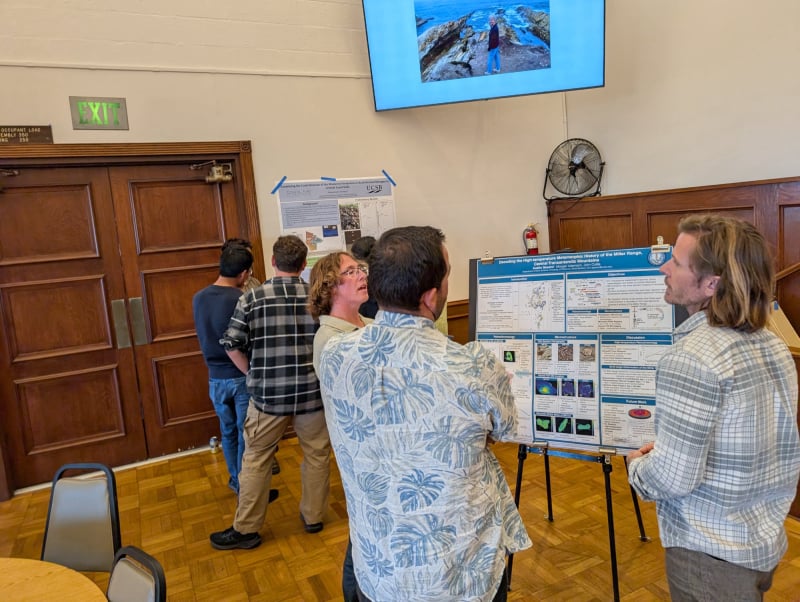
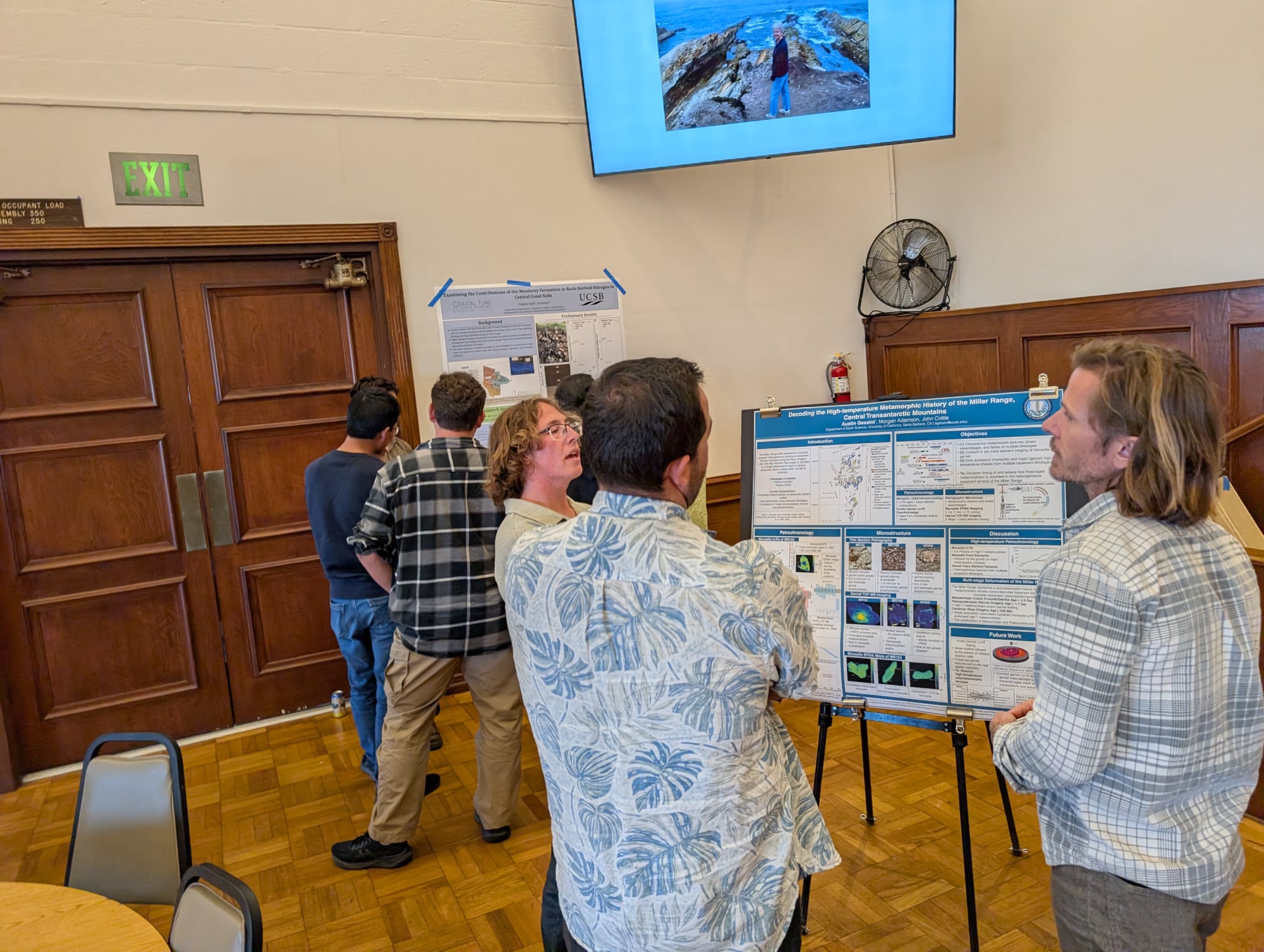
Title: Deciphering the High-Temperature Metamorphic History of the Miller Range, Central Transantarctic Mountains
Abstract: Understanding the timing and conditions of metamorphic processes during mountain
building and reworking events is central to determining if deformation occurs episodically or
continuously during orogenesis. Long-lived mountain belts such as the Transantarctic Mountains (TAM) are key natural laboratories for investigating complex and geologically meaningful mountain-building processes. The ~540–485 Ma Ross Orogeny developed along the convergent continental margin on the Paleo-Pacific rim of East Gondwana, present-day TAM, following a characteristic clockwise P-T path from peak regional metamorphism to exhumation. Despite intensive study, it remains debated whether Ross Orogen-aged deformation (~540–485 Ma) represents a single protracted or several temporally punctuated thermal pulses. In this study, we focus on the uniquely exposed Precambrian basement of the Central Transantarctic Mountains (CTAM) to constrain the timing and conditions of deformation along the Paleo-Pacific margin through multi-mineral analysis. We build a time-deformation path of Ross Orogen style
metamorphism in the CTAM through integrated mineral petrography, U-Pb monazite
petrochronology, Lu-Hf garnet geochronology, and petrologic trace element imaging across
multiple lithologies to better evaluate the thermal and deformational processes driving high-
temperature regional metamorphism during orogenesis
Bio: Austin is a Senior Earth Science major at the University of California, Santa Barbara with
an emphasis in geology. His research focuses on utilizing petrochronology on high-temperature
metamorphic rocks from the Transantarctic Mountains, conducted under Dr. John Cottle’s and
PhD student Morgan Adamson’s mentorship. Austin is particularly interested in how large-scale
tectonic events are recorded in the lower crust. When not looking at rocks, Austin enjoys going
on hikes and runs, listening to music, and hanging out with friends.
UCSB
Title: Examining the viability of anisotropy of magnetic susceptibility (AMS) as a fabric analysis tool in the Auckland Volcanic Field
Abstract: The Auckland Volcanic Field (AVF) spans a 30km region beneath Auckland, New Zealand. The monogenetic nature of this field allows future eruptions to occur anywhere within the city, posing a significant threat to the ~1.7 million residents within it. Current estimates establish a 10% probability of an eruption occurring in the next 50 years, leading hazard mitigation groups to establish an evacuation radius of 5km. However, this figure is developed from extents of base surge deposits, which often erode too quickly to reflect the original breath of an eruption. This study focuses on assessing the viability of an alternative method to examine base surge deposit extents. Anisotropy of magnetic susceptibility (AMS) is a method of grain fabric analysis that induces magnetic fields in minerals to measure orientation. Bulk positioning of magnetic grains can then be employed to draw conclusions about original deposit extent, flow regime, vent location, Our AMS analysis of 144 samples taken from Wiri Mountain, Auckland, NZ returned a consistent foliated magnetic fabric. Our findings suggest further work to establish facies for the AVF could aid in constraining the extent of base surge deposits and better prepare emergency authorities for future eruptions.
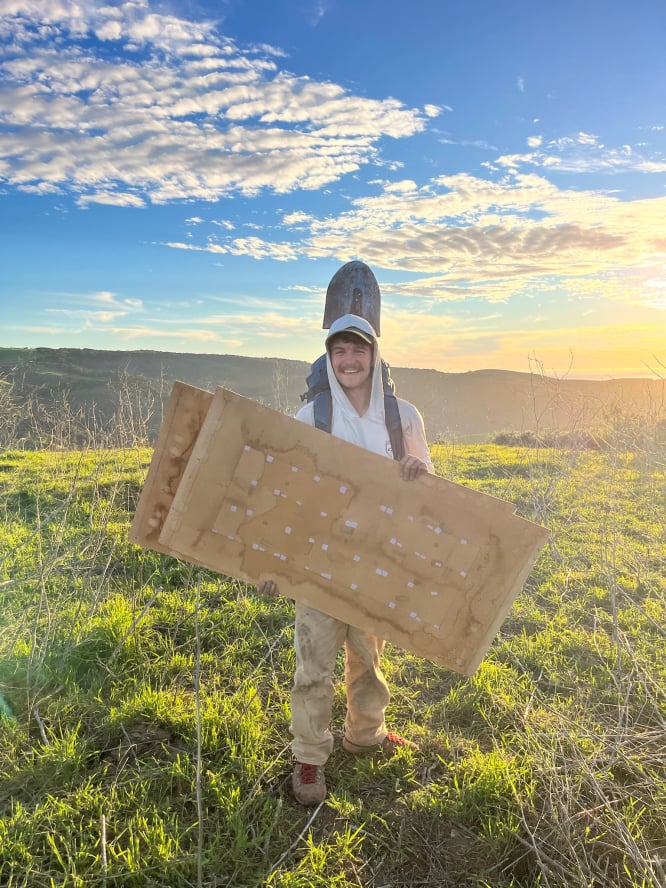
Bio: Sebastian Fojut is an undergraduate student at the University of California, Santa Barbara. He is currently working on his senior thesis after a semester of data collection in New Zealand. Sebastian has always maintained an interest in geological sciences. He was born and raised in Moraga, California, a small town located just East of Oakland. As a child, he spent much of his time curating a rock collection consisting primarily of cement fragments from a retaining wall in his backyard. Currently, Sebastian aids with research in volcanology, tectonics, and structural geology. He holds a particular interest in large scale planetary and geological processes. In his free time, Sebastian enjoys practicing handstands and collecting instruments.
UCSB
Title: Examining the Contributions of the Monterey Formation to Rock-Derived Nitrogen in Central Coast Soils
Abstract: Rock-derived nitrogen is a large terrestrial nitrogen pool of emerging importance, yet previous studies have focused on montane and densely forested ecosystems. Because of the high organic matter concentration and wide distribution across the Southern California coast, the Monterey Formation represents a novel lithology (marine shale) in which to examine the influence of rock-derived nitrogen in the soil and the broader ecosystem. To address this gap, this project aims to characterize the rock-derived nitrogen flux in a semi-arid coastal ecosystem in Santa Barbara County. I analyzed major and trace elements, total carbon and nitrogen, and stable carbon and nitrogen isotopes throughout a soil profile. Preliminary results have shown a decrease in nitrogen concentrations in the soil with depth. The soil profile had a significant range in nitrogen concentrations (300-10200 ppm, from parent material to surface). These results show restricted nitrogen transport between the rock-derived and biologically fixed nitrogen in relatively low rock-derived nitrogen systems. By characterizing nitrogen sources within the Monterey Formation and associated soils, this project will contribute new data on geochemical processes that contribute nutrients to local semi-arid Central Coast soils.
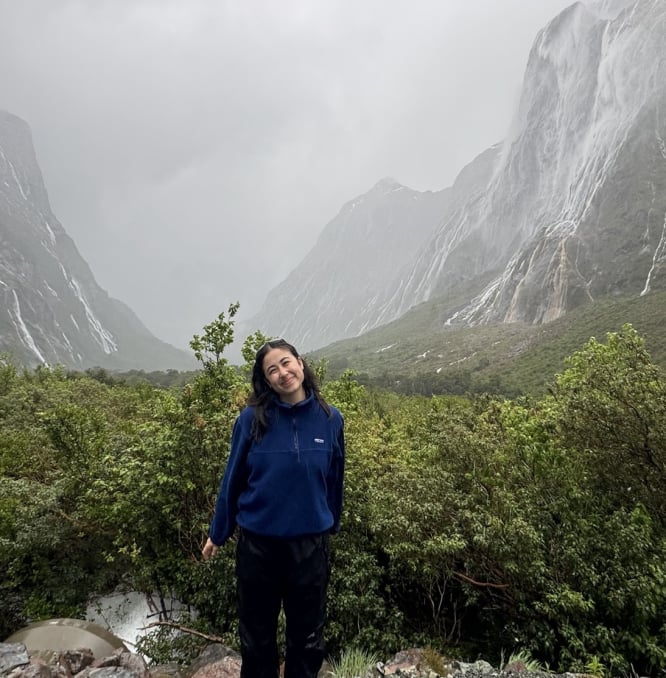
Bio: I am a fourth-year undergraduate at UCSB, double-majoring in Earth Science, with an emphasis in Geology and Hydrologic Science. Growing up with parents who worked in the natural resources field, I garnered an early appreciation for the Earth's systems and processes that give us land, water, and life. Previously, I have worked on projects focusing on categorizing and characterizing emerging contaminants (PFAS and microplastics) in municipal groundwater aquifers. I am especially fascinated by how these systems respond to changes and external pressures over time. The importance of the underlying geology to the growth and development of these systems and our natural resources continues to be emphasized in all of my Earth Science classes, as well as my previous research experience. Through starting my senior thesis project with Dr. Iris Holzer, looking at rock-derived nitrogen in the Monterey Formation, I can explore this idea further. Currently, my future lies in the environmental/geotechnical consulting field, working to obtain my Professional Geologist license.
UCSB
Title: Re-examining Ages of Marine Terraces Through Mapping and Elevation Along the Gaviota Coastline, Southern California
Abstract: Long-term uplift of the westernmost Transverse Ranges is recorded by marine terraces along the Santa Barbara coastline from Isla Vista to Point Conception. However, disagreements in dating of the first emergent terrace by Morel et. al (2022) and Muhs et. al (2026) introduces uncertainty into these uplift rates. Both studies agree the Isla Vista terrace corresponds to Marine Isotope Stage (MIS) 3 (~50 ka), but differ on ages between Tajiguas and Point Conception, proposing MIS 3 and MIS 5a (~80 ka), respectively. These different ages significantly affect calculated uplift rates and regional tectonic models.
If the terraces from Tajiguas to Point Conception are MIS 5a, they should occur at substantially higher elevations than the MIS 3 terraces (~80 m higher, assuming steady uplift). This study uses LiDAR to map terraces, in addition to well log data and sea cliff measurements to constrain platform and terrace inner edge elevations. Preliminary results indicate little change in terrace elevation, suggesting either a drastic change in uplift rate in space and/or time, or supporting the interpretation of Morel et. al (2022) that the first emergent terrace dates only to MIS 3. Additional dating is needed to resolve remaining uncertainties and refine uplift models.
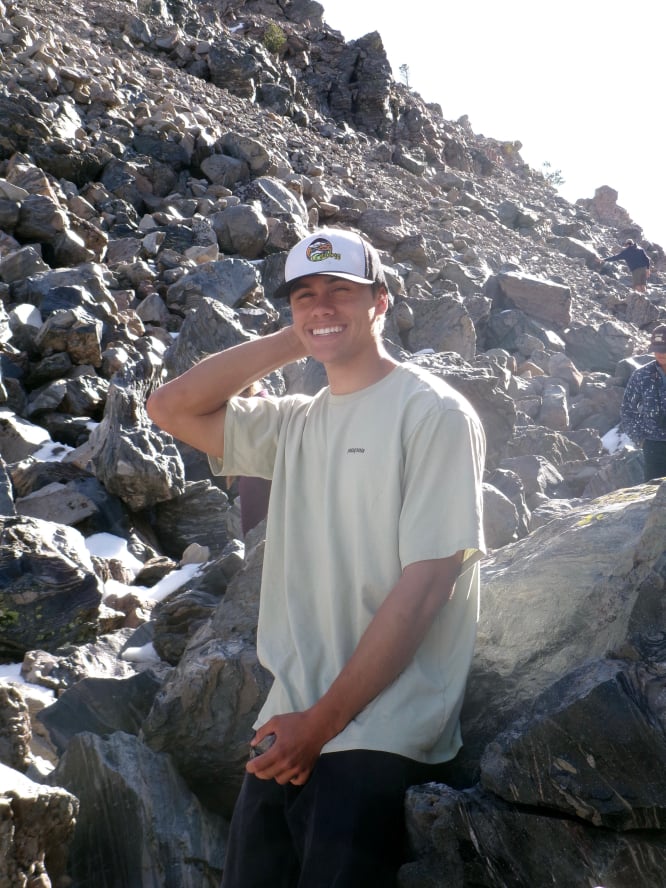
Bio: Naomi Morgenthaler is a fourth-year undergraduate Earth Science student at UC Santa Barbara. She works with Dr. Kristin Morell on her senior thesis in coastal tectonic geomorphology, studying marine terraces and uplift along the Santa Barbara coastline. After graduating, she hopes to pursue a graduate degree in tectonic geomorphology. Outside of school, she is on the U.S. team for equestrian vaulting, and hopes to qualify for the world championships this summer.
UCSB
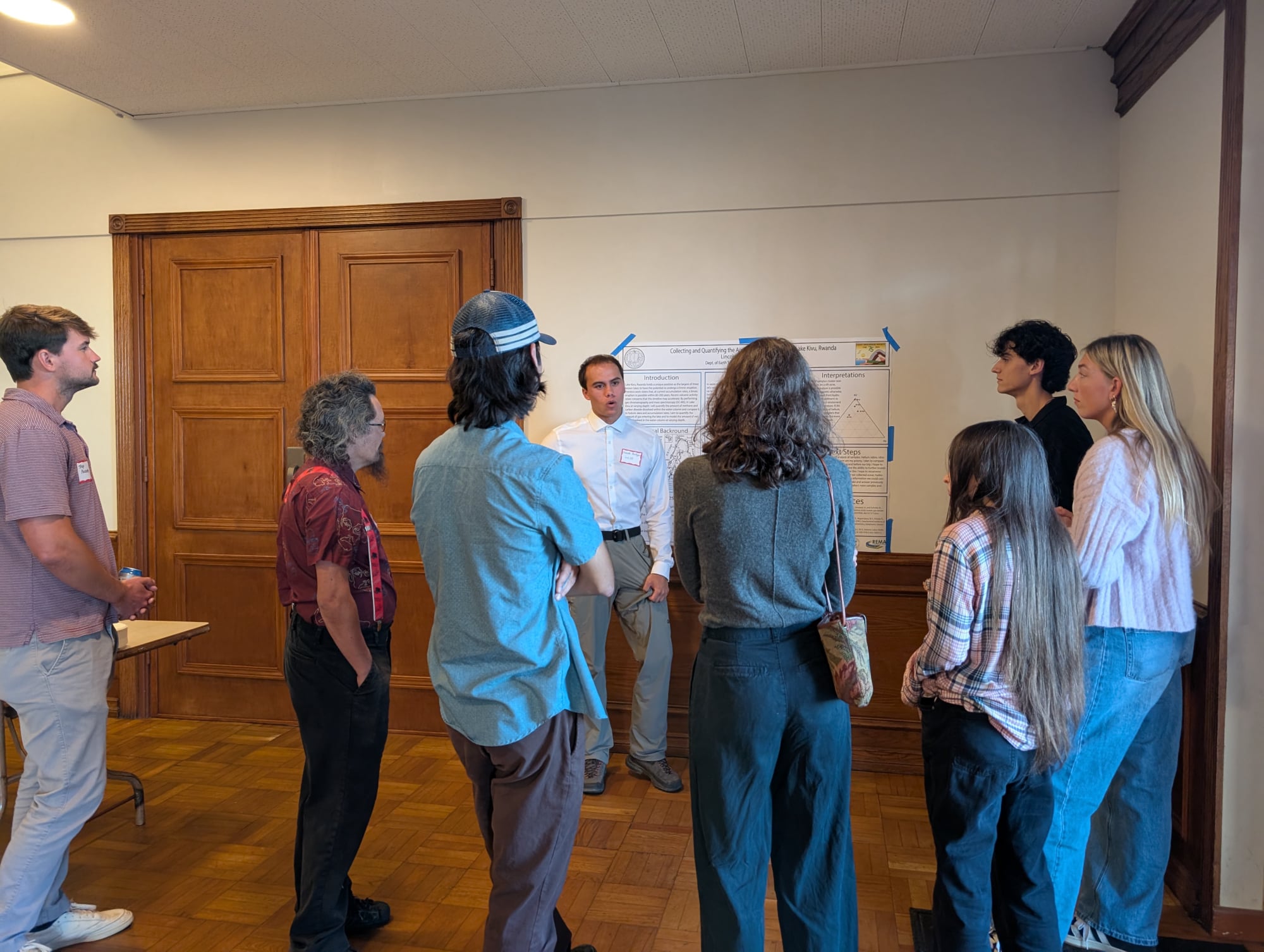
Title: Quantifying Gas Accumulation in Lake Kivu
Abstract: Lake Kivu, Rwanda holds a unique position as the largest of three known lakes to have the potential to undergo a limnic eruption. Previous work states that, at current accumulation rates, a limnic eruption is possible within 80-200 years. However, recent volcanic activity raises concerns that this timeline may accelerate. I plan to address these concerns by performing water and gas sampling in Lake Kivu at a depth of 450 meters. By performing gas chromatography and mass spectroscopy (GC-MS) I will quantify the amount of methane and carbon dioxide dissolved within the water column and compare it to historic data and accumulation rates. I aim to constrain the timeline for a limnic eruption and model the amount of volatiles dissolved in the water column at varying depth.
Bio: My name's Lincoln Bantugan and I'm a junior in the Earth Science department at UCSB. Originally from San Pedro, California I have a love for all things outdoors including climbing, camping, and surfing. These interests complement my passion for geology and research. Currently, I'm working under Professor Tobias Fischer as an undergraduate in his Volatiles laboratory following other projects such as the Keck Geology Consortium at Colorado College and Alex Simm's Sedimentology laboratory. I plan on continuing my research on Lake Kivu as a senior thesis and intend to pursue further education in Volcanology or gas geochemistry.